Commercial Waste in Wallington
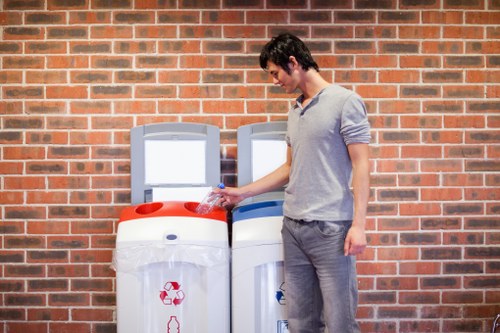
Commercial waste in Wallington needs a practical, tidy and compliant approach, whether your business produces a steady stream of mixed rubbish or occasional bulk items that need prompt removal. We handle day-to-day business waste removal with a focus on clear scheduling, careful loading and sensible sorting, so your premises can stay usable while waste is taken away. The service is suitable for offices, shops, workshops, hospitality premises and other commercial settings that need a reliable clearance solution rather than ad hoc disposal.
Our work covers a broad range of non-hazardous commercial waste streams, with options that can be matched to the type and volume of material you need removed. That may include general refuse, packaging, unwanted fixtures, redundant office items, bulky furniture and other business rubbish that has built up over time. For materials that need extra care or a specific disposal route, we can explain what is suitable and what must be handled separately. If you are comparing options, pricing and quotes is a useful place to start, and you can also request a quotation when you are ready.
Commercial waste work is most straightforward when the collection plan matches the way your business operates. Some customers need a one-off clearance after refurbishment, stock changes or an office move, while others need repeat visits to keep back-of-house areas clear. Our aim is to remove waste without making a fuss around trading hours, access points or shared buildings. If you are gathering details for a larger project, a simple inventory of the main waste types is usually enough to begin planning.
Office and workspace waste removal
Office waste often contains a mixture of paper, packaging, broken furniture, storage units and redundant equipment, so it benefits from a service that understands how to separate useful material from general waste. We can remove items from individual rooms, shared work areas, storage cupboards and reception spaces, making it easier to clear clutter without disrupting the whole workplace. When desks, chairs, filing units and other furniture no longer serve a purpose, office clearance can restore working space in a single visit.
For businesses that are upgrading their layout or reducing footprint, it helps to think about what should be removed, what should be retained and what requires a separate disposal route. Office clearance is a relevant option when the job involves multiple rooms or a full suite of contents, while confidential shredding can be a useful follow-up for sensitive paperwork. If you are planning a clear-out, tell us the main item types and access details so we can give a quotation that reflects the actual work involved.
Items commonly found in office clearances
Typical office removals can include broken chairs, desks, lockers, shelf units, archive boxes, packaging, surplus stock and small electrical items. Some workplaces also need help with old reception furniture or meeting-room contents, which may be too bulky for routine bins. We can work through the items in a practical order so that the site is left orderly once the unwanted material has been taken away. Clear identification of the main waste categories makes the process simpler and helps avoid delays on the day.
Business rubbish from shops, units and shared premises

Retail units, small industrial spaces and shared commercial buildings can produce waste that does not fit neatly into normal refuse arrangements. Packaging, damaged display fixtures, redundant shelving, shop fittings and mixed waste from stock changes can build up quickly if there is limited storage. Our business waste removal service is designed to collect that material in a way that is straightforward for occupied premises, with attention to safe handling and the practical realities of working around customers, staff and neighbours.
When a business is clearing a back room, stock area or customer-facing space, the main challenge is often deciding what counts as waste and what might be reused or relocated. Business waste removal is suitable for ongoing commercial rubbish, while waste removal covers broader mixed loads where several item types need taking away together. If your premises share access with other occupiers, it is sensible to note loading points, lift use and any timing restrictions before you ask for a quotation.
Good planning helps the collection go smoothly, especially where access is limited or waste is spread across several rooms. In many cases, the best approach is to group items by type before the visit, separating general waste, furniture and anything that may need special handling. That does not mean you need to do the lifting yourself; it simply gives the removal team a clear picture of the job. For larger clearances, a short list of the heaviest items can be particularly helpful.
Bulky furniture, fixtures and fittings
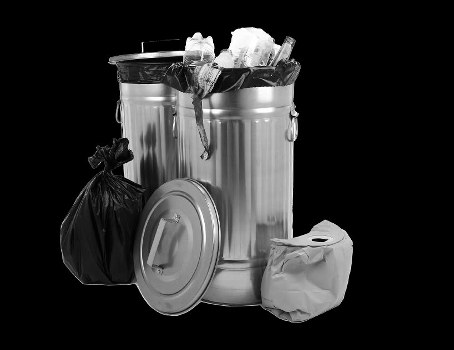
Commercial premises often end up with bulky items that are too awkward for ordinary disposal, especially when fittings are replaced or a layout changes. We remove tables, chairs, cabinets, shelving, counters and other heavy items that are no longer needed. Some pieces can be dismantled for easier handling, while others may be moved whole if access allows. This kind of work is useful during office refits, shop remerchandising and end-of-lease clearances where speed and tidiness matter.
Furniture clearance is the obvious fit when most of the waste is made up of moveable items such as seating, desks and storage pieces. Where certain items are beyond reuse, furniture disposal provides a clearer route for getting them taken away responsibly. If you have a mix of office furniture and domestic-style items in the same premises, it is worth describing them together so that the quotation reflects the full load rather than just one category.
What affects the cost of bulky item removal
The price of a clearance is usually influenced by volume, item weight, access, lifting difficulty and whether the work involves disassembly or extra sorting. Waste stored on upper floors, behind locked doors or in narrow service areas can take longer to remove than items stacked at ground level. Mixed loads also need more care than uniform ones because they may require separate handling decisions. A clear description of the contents generally leads to a more accurate quotation and fewer surprises on the day.
Clearances for homes used as part of a wider business move
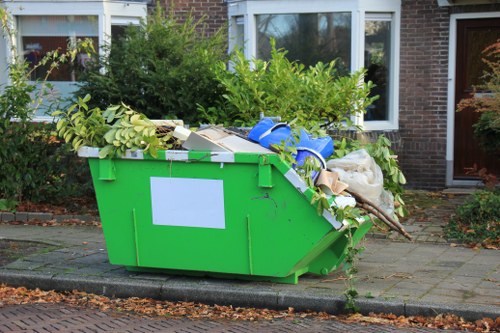
Some commercial waste jobs involve properties or spaces that hold a mixture of household-style and business items, especially during relocations, refurbishments or asset changes. In those situations, it can be practical to remove everything in one organised visit rather than splitting the job into several small collections. Our clearance work is suitable for those mixed environments when the aim is to empty rooms, remove unwanted contents and leave the space ready for its next use. The service can also help where storage areas have been used for long-term overflow and need a fresh start.
Home clearance and house clearance may be relevant where domestic contents are included alongside business waste, while flat clearance can suit upper-floor properties with more limited access. If the job also involves lofts or garages used for storage, there are separate routes for those spaces too. A careful description of the rooms and item types will help us shape a quotation that matches the actual contents rather than an approximate guess.
For occupied properties, the practical questions are usually about access, item mix and what should remain on site. Keep a note of any items that must be treated as keepers, as well as anything that is fragile, fixed in place or likely to need disassembly. If you are not sure how to categorise certain objects, you can still describe them in plain language and ask for guidance. The important thing is to make the scope as clear as possible before collection.
Special items and more careful disposal routes
Some waste cannot simply be treated as ordinary mixed rubbish, either because of its material composition or because it needs a distinct disposal route. Businesses may occasionally need to remove appliances, larger electrical items or pieces of equipment that have reached the end of their life. In these cases, it is sensible to separate the items that can go in a standard clearance from those that need additional attention. That approach keeps the job organised and helps avoid unnecessary handling.
Fridge and appliance removal is useful when kitchens, staff rooms or storage areas contain machines that are too bulky for normal disposal, while mattress and sofa disposal can help where mixed premises contain furniture that does not belong with office waste. Some businesses also need hazardous waste disposal, which should always be described carefully because it requires a different level of scrutiny. If your load includes any unusual material, please identify it at the outset so it can be assessed properly.
Not every item belongs in the same collection. A sensible quotation starts with a clear breakdown of standard waste, bulky items and anything that needs special handling. Where separation is useful, we can discuss the most appropriate route and help you avoid putting restricted material into a general clearance. This is especially important for premises with mixed storage, kitchens or maintenance spaces, where waste types may have accumulated over time.
Commercial waste collections for gardens, yards and outdoor areas
Businesses with external spaces often need more than indoor clearance, particularly if they manage courtyards, service areas or garden sections that collect packaging, broken fixtures and weather-damaged items. Outdoor waste can include timber offcuts, plant containers, general rubbish, old furniture and other bulky material that has been left out temporarily or accumulated after site works. A well-planned collection can clear these areas without spreading debris across the rest of the premises.
Garden clearance is relevant when outdoor parts of a commercial site need tidying as part of the waste removal task. For builders’ material left around paths, yards or entrances, builders waste clearance may be more suitable, especially where rubble, packaging and offcuts are mixed together. If the site has several waste zones, describe them separately so that the work can be planned in a sensible order.
External clearances are often shaped by access and surface conditions, so it helps to note whether waste is on paving, grass, gravel or a service yard. The more clearly the location is described, the easier it is to judge the labour involved. Where there is a mixture of soft landscaping waste and harder commercial debris, a combined clearance can save time by removing everything in one coordinated visit. Keep the description factual and simple, and let the item list do the work.
About Wallington
Wallington is a town in the London Borough of Sutton, positioned in south London and historically linked to the old county of Surrey. Its development was shaped by transport connections, especially the arrival of the railway in the nineteenth century, which encouraged residential growth beyond the older village core. The town centre today combines shopping streets, civic buildings and everyday services, while its surrounding streets include varied housing from different periods, reflecting successive waves of suburban expansion. Architecture in the area ranges from modest interwar homes to more distinctive civic and commercial premises, giving the town a layered urban character rather than a single uniform style. The name Wallington is also associated with nearby local amenities and walking routes, including green spaces that sit close to the built-up centre. Parks and open land in and around the town contribute to its sense of openness, and the River Wandle corridor lies within the wider district context, linking Wallington to a broader network of south London waterways and habitats. Churches, schools and long-established local institutions add further depth to the town’s identity, while the centre remains shaped by everyday trade, commuting and neighbourhood life. Together these elements make Wallington a place that feels both settled and active, with a familiar suburban scale and a history that can still be read in its streets and public buildings.
Planning the collection and preparing a quotation
To prepare a useful quotation, it helps to describe the main waste types, approximate volume and the access route from the waste location to the collection point. A note about stairs, lifts, restricted hours or parking limits can be especially helpful where the premises are busy or shared. If you have photographs or a written inventory, they can make the assessment quicker, but a plain description is often enough to begin with. The aim is not to overcomplicate the process; it is to make the scope clear.
When the job involves several parts of a premises, list them in the order they need to be cleared. That might include an office, a stock room, a reception area, a kitchen or an outdoor storage space. If some items are to remain, say so clearly so the quotation reflects only the waste to be removed. About us provides background on the business, while book online is available if you already know what you need and want to move on quickly.
Before any collection, check whether items are fixed in place, stacked tightly or mixed with materials that need separate handling. A short, factual summary is usually enough: what it is, where it is and how much there is. That approach keeps the enquiry efficient and helps the collection team understand the full job from the outset. If you are still comparing options, it is perfectly reasonable to ask for a quotation first and decide after you have seen the details.
Sorting, reuse and recycling considerations
Not every commercial clearance is simply about taking things away. In many jobs, some items may be suitable for reuse, some may be recyclable and some will need disposal as residual waste. A thoughtful approach to sorting can reduce unnecessary mixing and make it easier to direct different materials to the right route. Cardboard, metals, wood, furniture and general rubbish often need to be separated in practice, even when they all come from the same premises.
Recycling and sustainability explains the broader principles behind material recovery and responsible handling, while health and safety policy gives a clearer picture of the care expected during collection work. Responsible disposal is not just about removing waste quickly; it is also about deciding how each item should be handled once it leaves the site. If your premises generate similar waste on a regular basis, a consistent sorting routine can make future collections simpler.
For businesses that want a clear record of what is being taken away, a written note of the categories can be useful even if the load is not large. That is especially true where a single collection includes a mix of furniture, packaging and general rubbish. Clear sorting on the day supports a tidier handover and helps ensure the work remains straightforward from start to finish. When you are ready, request a quotation and we can discuss the waste in practical terms.
Final checks before collection day
Commercial waste removal is easiest when the collection point is ready and the main item groups have been identified. You do not need to make the site perfect, but it helps to ensure the waste is accessible and any items that should stay are clearly set aside. If the load includes a mixture of office contents, bulky furniture, appliance waste or outdoor debris, a simple note confirming which areas are included can save time. The more precise the description, the better the quotation can reflect the real task.
- Identify the main waste groups.
- Check access, stairs and loading points.
- Separate anything that must remain.
- Flag items needing special handling.
Once those basics are in place, the actual removal can be planned with much less back and forth. If your business needs a straightforward collection, a larger clearance or a mixed load dealt with in one visit, the next step is simple: send the details and ask for a quotation. If you would like to make that move now, contact us for a quotation.